

From Basra to Anbar and on to Nineveh, the “Green Education for Climate Resilience in Iraq” project laid new organizational groundwork for volunteer work this month, establishing three governorate-level platforms bringing volunteer teams together under one umbrella a step that turns volunteering from scattered individual effort into organized, sustainably impactful work.
On 19 August 2026, the founding session of the Basra Platform was held at the Business Avenue hall, aimed at strengthening the participation of women and youth in addressing climate and community challenges. The session addressed the governorate’s priorities on climate change and water scarcity, discussed and approved the platform’s internal bylaws, and concluded with the election of its administrative board establishing a clear organizational foundation for its future work.
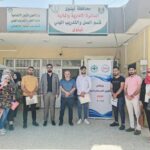
In Ramadi, 18 August 2026 brought together two complementary activities: a visit to the Anbar Farmers’ Union to discuss establishing a women’s association dedicated to the project, in coordination with the union’s president and the Rural Women’s Affairs Department, to strengthen women’s role in initiatives related to climate resilience; and a session to establish a platform for volunteer team leaders, which saw the election of its chair, deputy chair, and rapporteur, along with the adoption of its internal bylaws to organize the teams’ work more effectively and sustainably.
At the organization’s office in Mosul, the Erbil-based programs team met with volunteer teams from Mosul city and Al-Hamdaniya district to establish the “Nineveh Green Platform” under the umbrella of the “Green Education –OSCAR” project. The meeting reviewed the key challenges volunteer teams face in their fieldwork and the most pressing climate-related issues and their impacts, before concluding with the drafting of the platform’s internal bylaws and the election of its chair, deputy chair, and rapporteur.
Three platforms, in three governorates, carrying one shared vision: that addressing climate change begins with organizing those working on the ground, and with giving women and youth a genuinely leading role not a marginal one in shaping a sustainable community response to a crisis that affects everyone.