
As part of ongoing youth initiatives in Anbar Governorate, and within the activities of the Youth Connect Project implemented by the Public Aid Organization and funded by the British Council, a powerful model of impactful volunteer work emerged through the “I Am Because We Are” initiative—led by passionate young volunteers driven by responsibility and a belief in meaningful change.
In the city of Ramadi, from March 31 to April 13, 2026, the initiative unfolded as a comprehensive journey that went beyond routine activities. It began with a coordination meeting at the second headquarters of the Anbar Governorate Office, where the team engaged with key departments, including Disability Affairs, Human Rights, NGOs, and Citizen Affairs. This step laid a strong foundation for collaboration, supported by field assessments and technical evaluations that ensured a well-structured and confident implementation phase.
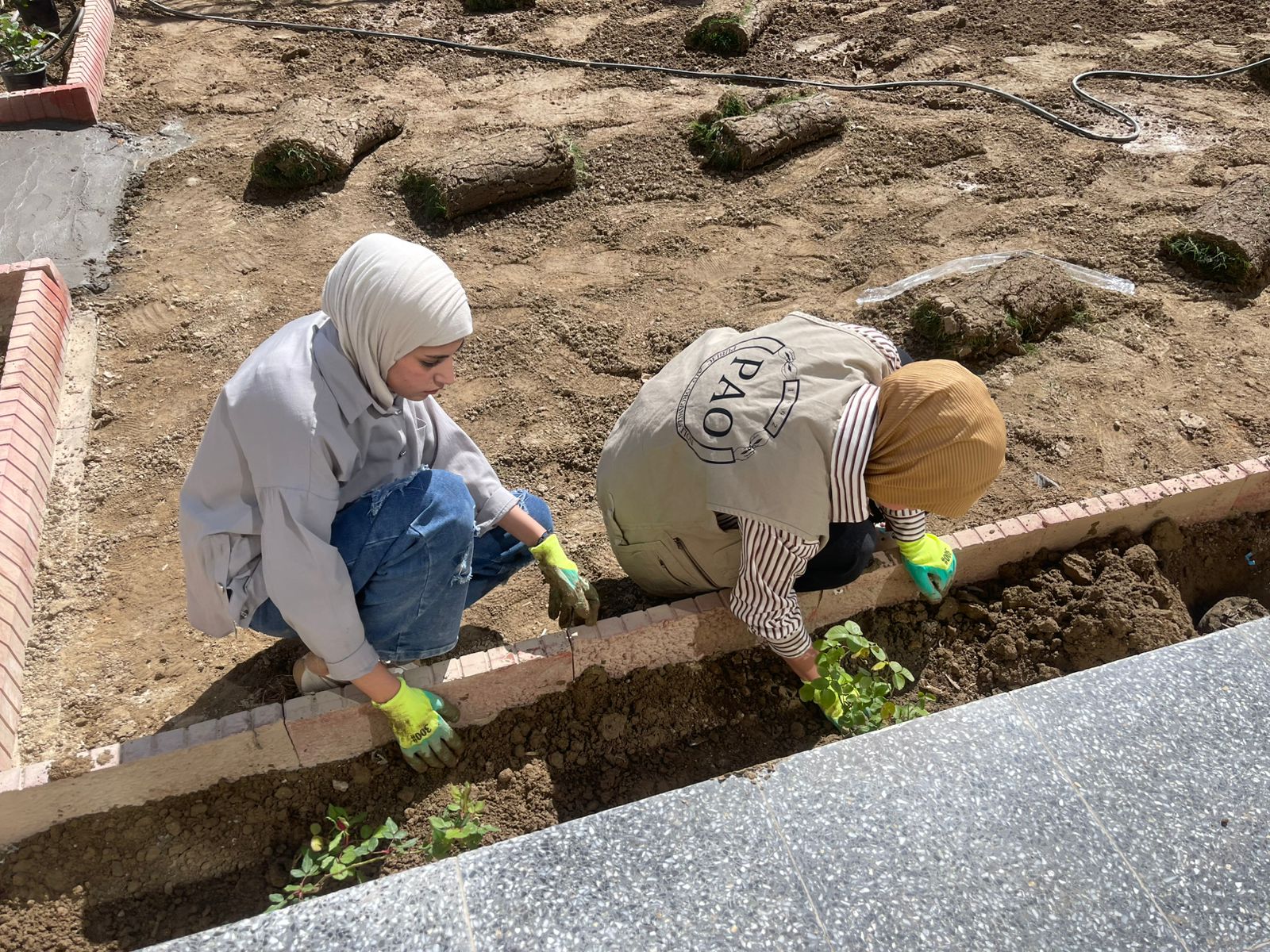
With the launch of field activities, the youth translated plans into action. A tree-planting campaign added both environmental and aesthetic value to the location, reinforcing the idea that a healthy environment is integral to human dignity. In parallel, accessible ramps were constructed at building entrances, turning the concept of inclusive access into a tangible reality and making services more reachable for persons with disabilities.
The initiative also focused on awareness and capacity building. An interactive session was conducted on effective ways to engage with persons with disabilities, including individuals who are deaf or non-verbal. The presence of government staff enriched the session, transforming knowledge into practical commitment toward more inclusive service delivery.
At the closing stage, the initiative ensured sustainability through impactful additions to the building, including awareness boards and educational posters highlighting the rights of persons with disabilities. Additionally, an accessible help desk was established to provide direct support and guidance for visitors, further enhancing service accessibility.
More than just a series of activities, this initiative stands as a testament to the power of youth-led action. It reaffirms that inclusion is not merely a concept, but a continuous practice—driven by collective effort and the belief that stronger communities are built when everyone is included.